Classrooms today are becoming more dynamic than ever before, thanks to the growing use of Artificial Intelligence (AI) in education. While AI is often associated with advanced technology, its role in schools is surprisingly practical—it is helping teachers understand how students learn, identify individual needs, and create more personalized learning experiences.
Every classroom is made up of students with different learning styles, strengths, and interests. Some students quickly grasp new concepts, while others need additional time or different teaching methods. Traditionally, it has been challenging for teachers to provide individual attention to every student, especially in larger classrooms. AI-powered educational tools are now helping bridge this gap by offering valuable insights that support both teachers and learners.
Understanding Every Student’s Learning Journey
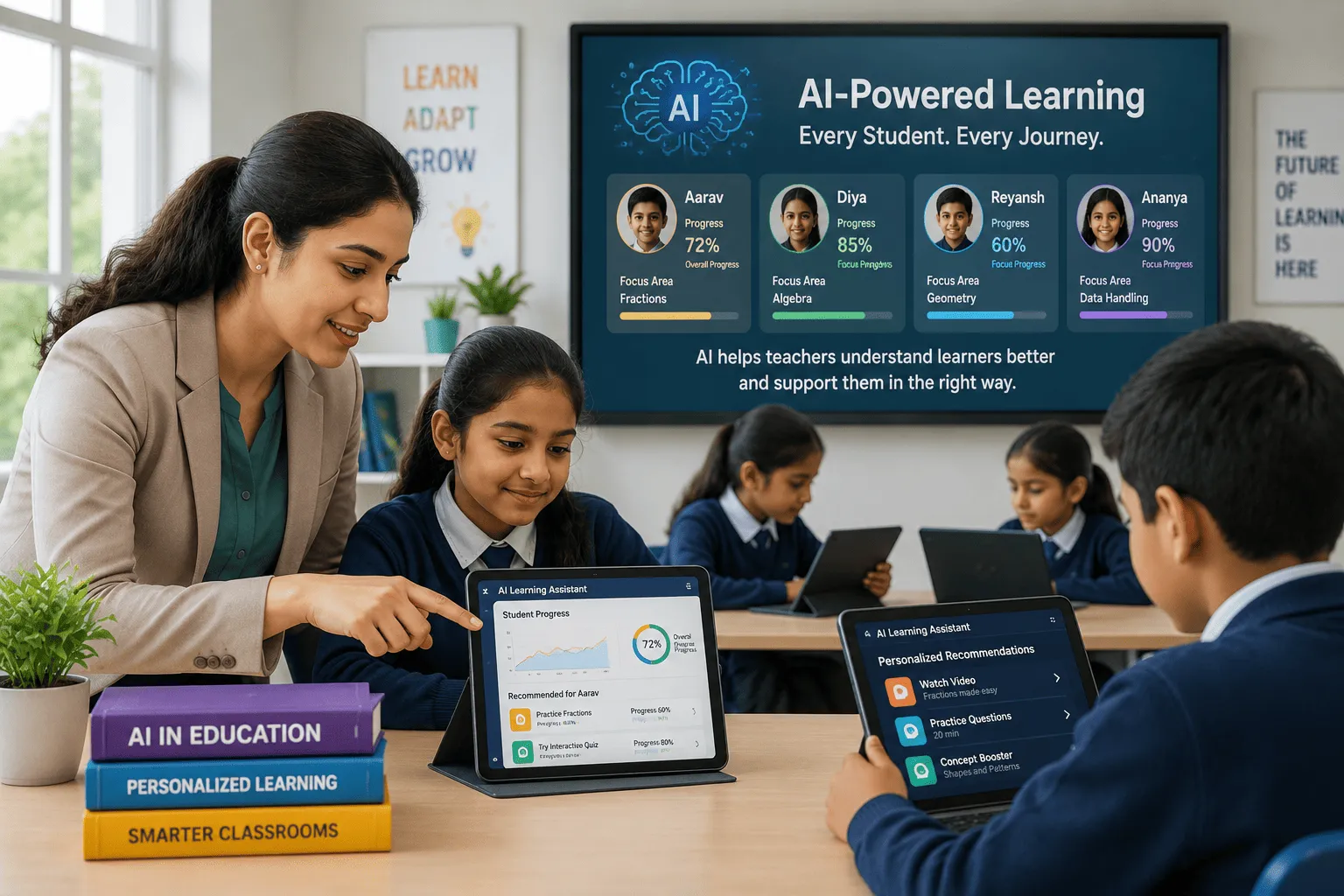
One of the greatest advantages of AI in education is its ability to analyze learning patterns. Modern educational platforms can monitor how students interact with lessons, quizzes, and assignments. Instead of simply showing whether an answer is right or wrong, these tools can highlight areas where a student may need extra support.
For example, if a child consistently struggles with fractions but performs well in geometry, the system can recommend additional practice activities focused on fractions. This allows teachers to provide targeted guidance rather than using the same approach for every student.
By understanding each learner’s progress more clearly, teachers can make informed decisions that help students improve with confidence.
Giving Teachers More Time to Teach
Teaching involves much more than delivering lessons. Educators spend considerable time preparing worksheets, checking assignments, organizing classroom activities, and tracking student progress. AI is helping reduce some of these routine tasks by assisting with grading, generating practice questions, and organizing learning data.
With less time spent on administrative work, teachers can focus on what matters most—interacting with students, encouraging curiosity, answering questions, and creating engaging classroom experiences.
Importantly, AI is designed to support teachers rather than replace them. Human guidance, empathy, creativity, and classroom management remain essential parts of education that technology cannot replicate.
Learning at the Right Pace
Every child learns differently. Some enjoy visual explanations, while others learn best through interactive activities or hands-on experiences. AI-powered learning platforms can adjust lessons according to a student’s pace, making learning more comfortable and less stressful.
Students who need additional practice can revisit concepts without feeling left behind, while those who are ready for greater challenges can explore advanced activities. This flexibility helps maintain motivation and encourages continuous progress.
Personalized learning also helps build confidence, as students experience success through lessons that match their current level of understanding rather than following a one-size-fits-all approach.
Supporting Inclusive Education
AI is also making classrooms more inclusive by providing tools that support students with diverse learning needs. Features such as speech-to-text, text-to-speech, language translation, and adaptive learning resources can make educational content more accessible.
These technologies help remove barriers to learning and allow more students to participate actively in classroom activities. Teachers can combine these digital tools with their own teaching strategies to create a supportive environment where every child has the opportunity to succeed.
Preparing Students for a Digital Future
As technology becomes a part of everyday life, students also need opportunities to develop digital awareness and responsible technology habits. When AI is introduced thoughtfully in education, children learn not only how to use technology but also how to think critically, ask meaningful questions, and solve real-world problems.
Many schools are also using AI-powered educational games, virtual science experiments, and interactive learning platforms to make lessons more engaging. These experiences encourage exploration and help students connect classroom concepts with practical applications.
Looking Ahead
Artificial Intelligence is gradually becoming a valuable partner in modern education. By helping teachers understand individual learning needs, reducing routine administrative tasks, and supporting personalized instruction, AI is contributing to more effective and engaging classrooms.
As schools continue to embrace new educational technologies, the focus remains the same: helping every child reach their full potential. When combined with dedicated teachers, supportive parents, and meaningful learning resources, AI has the potential to make education more adaptive, inclusive, and inspiring for the next generation of learners.
Put correct shortname from your Disqus account in Customizer settings.